
Selling Land to a Developer in Mississippi
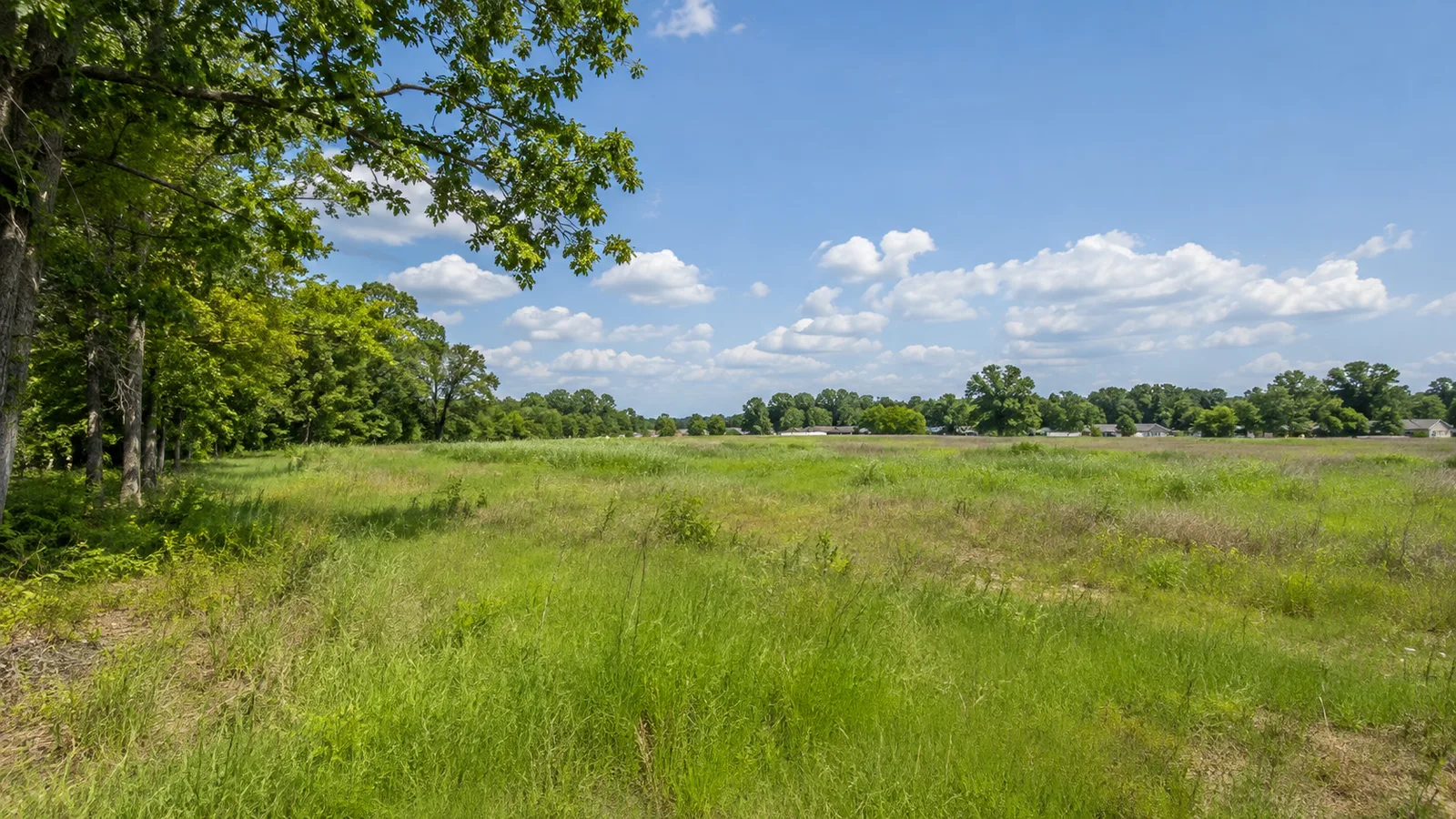
A Mississippi landowner may receive interest based on a future project rather than the ground's present use. That can create an opportunity, but it also creates questions about approvals, investigation time, and the conditions attached to an offer. Selling land to developers should begin with those distinctions, not an assumption that a proposed project is already feasible or funded.
This guide helps organize the discussion without appraising a particular site or determining its permitted use. A buyer's vision is not an official approval. Keep the ownership records, current conditions, and proposed future use separate so that the written terms reflect what is known and what remains to be checked.
Understand What a Developer Is Actually Proposing
Ask whether the company intends to acquire the entire holding, a newly defined portion, or an interest subject to investigation. A developer may need a different set of facts from a person seeking recreational ground. The proposed transaction should identify the area, rights, and conditions rather than relying on a sketch presented during an early conversation.
A real estate developer should explain the business plan sufficiently for the owner to understand the dependencies, without asking the owner to guarantee the project's success. If the proposal changes, ask whether the price and timetable change too. Transferring land to a developer should not leave uncertainty about the ground retained by the owner or the obligations that continue after completion.

Zoning and Land Use: Keep Possibility Separate From Permission
A zone designation, surrounding buildings, or a road frontage does not by itself answer every question about a proposed project. Ask the appropriate local authority and qualified advisers which rules apply. Local zoning, restrictions, and the actual site conditions need review. Do not advertise a use as established merely because a prospective developer believes an application might succeed.
Zoning regulations and any proposed rezoning can affect the investigation and timing. Ask who handles the work, who pays for it, and what happens if the outcome differs from the company's assumptions. The entitlement process should be described in the terms rather than treated as a guaranteed formality. A landowner should not make an unqualified representation about an approval not yet obtained.
Our Starkville page explains why an imagined building plan should not determine the description of a current site. City planning questions belong with the relevant authority; the sale process must still identify who investigates them and what conditions remain. A plausible idea and a verified permission are different stages.
Give Potential Developers a Useful Site Packet
Gather the deed, available boundary information, tax records, and any access or use agreements. Raw land may require a different review from an improved property. A vacant land description should identify known limitations rather than imply an absence of obligations. If an easement or another person's use is relevant, provide the supporting records and label anything still uncertain.
Access to utilities should be checked for the specific site and proposed demand. A utility line visible nearby is not proof that a connection or capacity is available on acceptable terms. Environmental conditions, drainage, and geotechnical questions also need qualified investigation when relevant. The owner should supply known information without presenting an observation as a professional conclusion.
Terms such as buildable, pad-ready, or mixed-use can conceal assumptions if not explained. Ask the developer what each label means in the proposal and what additional work would be required. Site planning belongs to qualified people, not an optimistic map annotation. A consistent packet helps identify the next useful question instead of creating another unsupported claim.

Evaluate Land Value and the Evidence Behind an Offer
A land developer may value the opportunity differently from another purchaser because the intended project carries different costs and risks. That does not establish the market value of the ground for every owner. Ask which assumptions support the amount offered and how unresolved approvals or improvements affect it. A high conditional figure and a straightforward commitment are not identical proposals.
Current market trends should be supported by evidence rather than a general claim that every nearby site is in demand. A commercial real estate market example may not describe a smaller family holding. Landowners looking to sell can obtain independent valuation guidance to compare alternatives. The value of your land should not be inferred solely from the project's potential revenue.
A real estate agent may help market your land to a broader audience, while other real estate professionals can provide different services. Understand who represents whom and what work is included. The real estate market is not one uniform set of opportunities. Decide whether the proposed land sale fits your goals after comparing the conditions and likely net result.
Make Due Diligence Responsibilities Explicit
A developer may request time for studies, access, approvals, or financing. Due diligence should have understandable boundaries: the permitted work, notice requirements, responsibilities, and conditions for withdrawal. Ask how the company will restore or address any work it performs on the ground. The agreement should explain the investigation rather than relying on a verbal promise that it will be simple.
Consider the carrying expenses and opportunity cost while the proposal remains conditional. Property taxes and other obligations can continue during that period. A landowner should understand whether alternative discussions are restricted and what happens if the target date moves. Thorough research is useful, but it should not become an undefined reason to keep an owner committed indefinitely.
A real estate attorney can explain the consequences of the actual clauses. The negotiation should leave the owner able to understand and compare the terms before signing. Do not assume the developer's adviser provides independent guidance for your interests. If the terms are revised, ask for a review of the new version rather than relying on comments about an earlier draft.

Compare the Developer Route With Other Options
Owning land can carry financial and practical responsibilities even when no project goes forward. A company looking to buy may offer terms that suit one owner but not another. Compare keeping the holding, seeking wider exposure, or requesting a direct review. The right choice depends on your priorities and the written conditions, not the appeal of a proposed design.
When a company proposes to buy land, ask whether it is acquiring the current interest or depending on a different arrangement first. A private review may involve fewer project-specific conditions, while another route may seek a different return. Compare the net result and obligations of each rather than assuming the most ambitious plan always produces the best outcome.
Keep the Closing Process and Final Records Clear
Before completion, verify the parties, documents, payment instructions, and conditions that have been satisfied or retained. Independently confirm the closing contact through a trusted channel. The closing statement should be reviewed alongside the signed terms and any agreed adjustments. A positive response to a project idea is not proof that funds or documents are ready.
Keep copies of the executed papers and the records showing what interest was transferred. Ask which responsibilities survive completion and how any retained area will be reached or used. The sale terms should not leave those issues to a later assumption. Independent accounting guidance may also be needed before distributing or committing the money.
Request a Review Without Promising a Project
If you want to sell, start with the location, records, and a candid account of known issues. Potential developers may ask different questions from a direct-review service, but neither should require invented facts. You can compare an inquiry with other options before making a binding commitment. The goal is an informed decision about the current interest, not a promise that somebody else's project will succeed.
Our Oktibbeha County guide provides local preparation context for owners comparing an in-town site with an outlying holding. Wherever the ground is located, the useful next step is a documented proposal and the appropriate professional review. You can sell your land on understandable terms without treating an early concept as a completed approval.
Selling Land in Mississippi: Guides
Practical information before you choose a selling route.
Considering a Direct Sale?
Share the parcel details and review a no-obligation offer.
Get My Free Cash Offer →